Warehouse stock
Track peak values, storage locations and goods owned by others in your care.
Wholesale and Distribution
Wholesale and distribution insurance should follow goods through storage, transport and delivery, with clear responsibility for stock and the businesses that depend on it.
Talk to our team →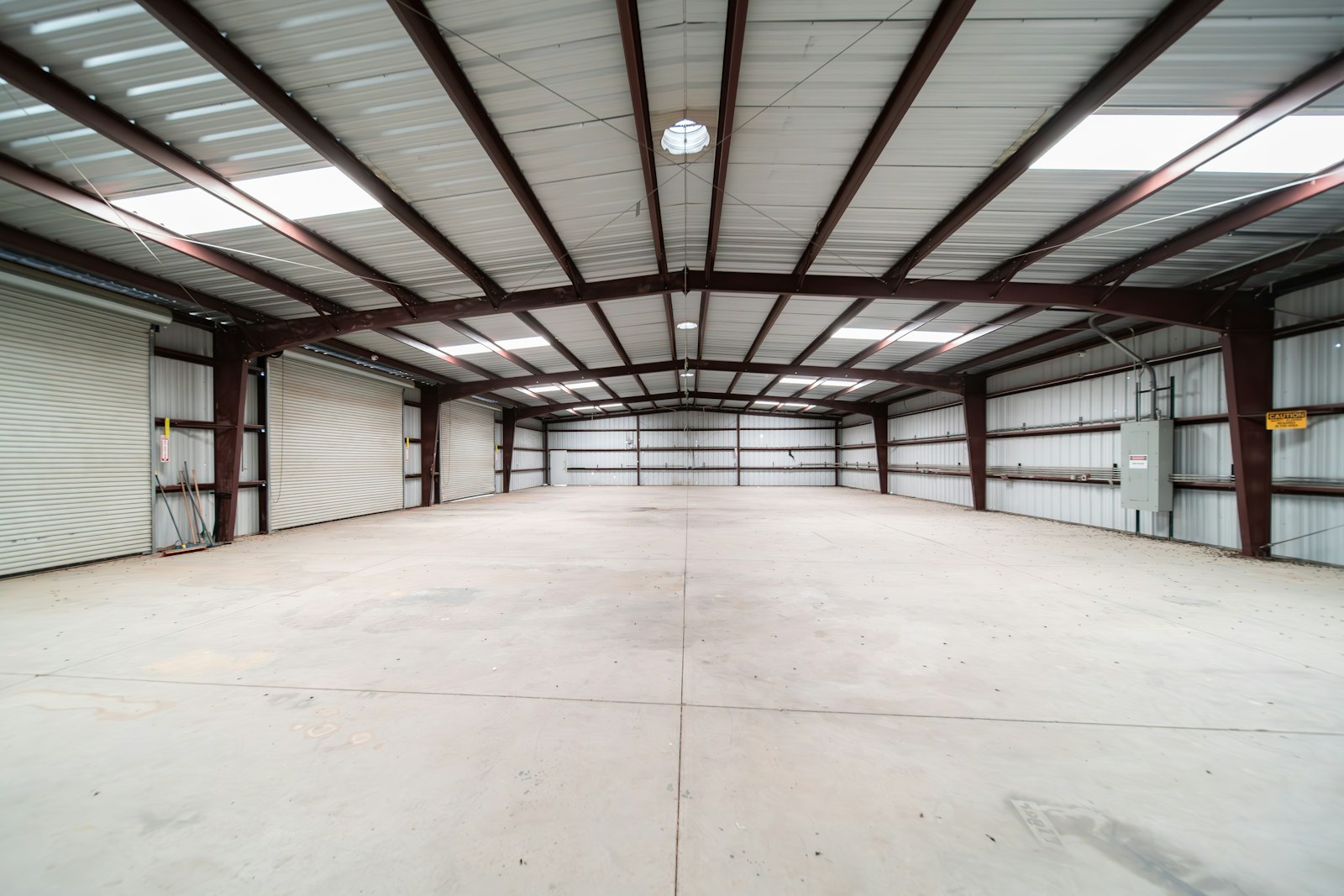
Track peak values, storage locations and goods owned by others in your care.
Match cargo and transit terms to ownership, commodities, routes, carriers and contractual responsibility.
Review imported or private-label products and the operating effect of losing a warehouse or key supplier.
Review bodily injury, property damage, products or completed operations, and required additional insured endorsements.
Injury or damage alleged to arise from a product. Check the insured products, territories and products-completed operations limit.
Building, equipment and inventory values, catastrophe deductibles and coverage restrictions.
For business vehicle liability and, where selected, vehicle damage. Tools and cargo may need separate coverage.
Legal liability for cargo under the selected form. Commodities, valuation, theft restrictions and handling conditions matter.
Review payroll, classifications, work locations and employer's liability. Statutory requirements vary by state and circumstances.
Review the insured income basis, continuing expenses, coverage trigger, waiting period and time or dollar limits.
Additional liability limits over scheduled underlying policies. Check exclusions, attachment and whether terms follow the primary coverage.
Questions & answers
From our journal
Tell us about your business and what you need.

